If you're dealing with low water pressure, discolored water, or frequent leaks, your pipes might be past their prime. The signs your home may need repiping aren't always obvious at first. One rusty spot or a single leak doesn't mean you need to replumb your whole house. But when multiple issues start piling up, especially in homes built before 1970, it's time to pay attention. In Boise, our hard water makes things worse. Mineral buildup slowly chokes pipes from the inside, and what starts as occasional brown water can turn into a much bigger problem. Here's what you need to know.
The Warning Signs You Shouldn't Ignore
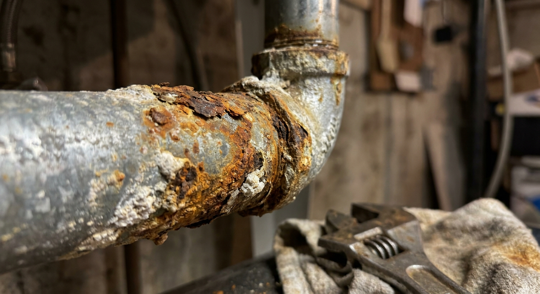
Low water pressure throughout your home is usually the first thing people notice. Every fixture runs weak. Your shower's a trickle, the kitchen sink takes forever to fill a pot, and running two fixtures at once becomes a problem. That's your pipes clogged with mineral deposits or corroding from the inside. Brown, yellow, or rusty-colored water is another red flag. If it happens every morning and clears up after a minute, that's sediment sitting in your pipes overnight. If it's constant or getting worse, you've got corrosion eating through the pipe walls. Boise's hard water accelerates this process. Frequent pipe leaks or needing a plumber every few months for repairs means the problem isn't isolated anymore. One leak is bad luck. Three leaks in a year means your whole system is failing at roughly the same rate. Visible corrosion or rust on any exposed pipes in your basement or crawl space is a preview of what's happening behind your walls. Galvanized pipes are the worst offenders. Unexplained water stains on walls, ceilings, or floors mean you've got slow leaks you can't even see yet. These do serious damage before you notice them.
When Multiple Problems Hit at Once
The real concern is when you start dealing with several issues simultaneously. Fluctuating water temperatures while you're in the shower, a metallic taste in your drinking water, and low pressure all happening together isn't a coincidence. Your plumbing system is a network, and when it reaches the end of its useful life, everything starts failing around the same time. If your home was built before 1970 and still has the original plumbing, you're living on borrowed time. Galvanized steel pipes from that era typically last 40-50 years in good conditions. We're well past that. And Boise's water isn't gentle. The mineral content here is high enough that it leaves visible deposits on fixtures. Imagine what it's doing inside pipes you can't see.
Why Boise's Hard Water Makes This Worse
Boise gets its water from underground aquifers and the Boise River system, and while it's safe to drink, it's loaded with minerals. Calcium and magnesium build up inside pipes over decades. What starts as a tiny layer of scale gets thicker every year until it chokes off water flow. This happens faster in hot water lines because heat accelerates mineral deposition. That's why your hot water pressure often goes first. The combination of mineral buildup and natural corrosion creates a perfect storm for aging pipes. Galvanized pipes corrode from the inside out, and once that zinc coating wears through, rust takes over. You can't clean it out or fix it with a repair. The damage is permanent and progressive.
What Repiping Actually Involves
Repiping means replacing the water supply lines throughout your house. We're talking about the pipes that bring fresh water to your fixtures, not the drain lines. Most Boise homes get repiped with either copper or PEX. Copper lasts 50-plus years and handles our water conditions well, but it costs more upfront. PEX is flexible, faster to install, and costs less, with a similar lifespan. We run new lines through walls, attics, and crawl spaces, connecting everything to your existing fixtures. A typical single-story home takes two to three days. Two-story homes usually run three to four days depending on layout and how accessible the plumbing is. We cut strategic access holes in drywall, which we patch but don't paint. You'll need to turn off water for periods during the work, and you might need to make other arrangements for a day or two if we're working in bathrooms. But once it's done, you've got a completely new plumbing system that'll outlast you.
Your Options When You Need New Pipes
You've got a few paths forward depending on what's failing and how bad it is. Spot repairs work when you've got one problem area and the rest of your system still has life left. If you're under 30 years old on your plumbing and this is your first major issue, a targeted repair might buy you another decade. Partial repiping makes sense when one section is shot but the rest is okay. Maybe your hot water lines are failing but cold water is fine. We can replumb just that circuit. Full house repiping is the permanent solution when you're dealing with multiple issues, old pipes, or planning to stay in the house long-term. It costs more upfront but eliminates the constant repair cycle and potential water damage. And if you're selling soon, disclosed plumbing issues will come back in inspection negotiations. New pipes add value and eliminate buyer concerns. Most lenders won't touch a house with active plumbing problems anyway.
Get Your Plumbing Checked Before Small Problems Become Big Ones
If you're seeing any combination of these warning signs, it's worth getting a plumbing inspection. We can camera-scope your lines, check for corrosion, test water pressure at multiple points, and give you an honest assessment of what shape your pipes are in. Sometimes you need immediate work. Sometimes you're fine for a few more years but should start planning. And sometimes a targeted repair solves everything. But you won't know until someone who knows what to look for actually looks. Don't wait until a pipe bursts in your wall and you're dealing with water damage on top of plumbing repairs. Call us at Diamond Heating and Cooling and we'll tell you what's actually going on with your pipes.